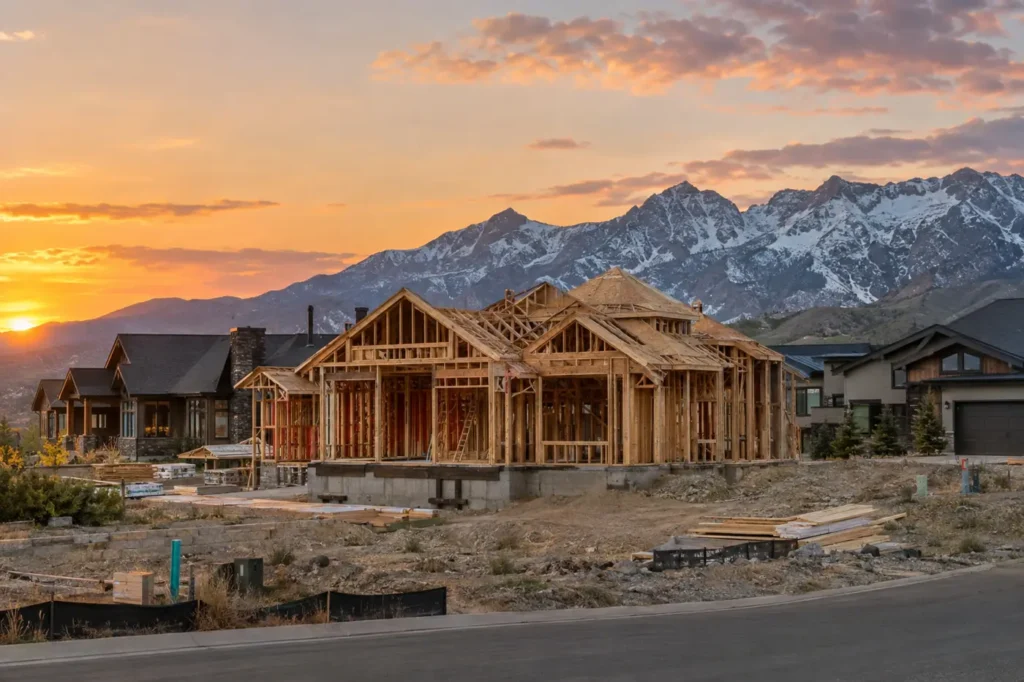
New Construction Incentives: What Is the Real Deal?
Builder incentives can be valuable, but compare the entire economic package: price, financing, upgrades, closing costs, appraisal, timeline and lender restrictions.


Builder incentives can be valuable, but compare the entire economic package: price, financing, upgrades, closing costs, appraisal, timeline and lender restrictions.

Paying points can lower a mortgage rate, but the decision depends on upfront cost, monthly savings and how long you keep the loan.

Leading indicators can help frame scenarios, but they do not remove uncertainty. A useful predictive model shows inputs, history, calibration and error.

Assessed value, taxable value and the tax bill are different concepts. Buyers should verify the current parcel record and understand how a sale or exemption change could affect future taxes.

A renovation can create value, but only after budget, downtime, financing, contingency and resale risk are accounted for. Discount-to-list is not the same as built-in equity.

Relocation costs are bigger than the mortgage. Compare taxes, insurance, utilities, HOA, commuting, snow, maintenance and lifestyle costs before choosing a Utah market.

Base rent is only one piece of occupancy cost. Compare common-area charges, utilities, tenant improvements, renewal terms, guarantees and exit obligations.

Cost-per-square-foot numbers are meaningless until you know what is inside the numerator and denominator. Separate land, site work, hard costs, soft costs, financing and finish scope.

Not every dollar spent before listing returns a dollar at closing. Decide whether work solves a buyer objection, expands the buyer pool or simply adds cost and delay.

Homeownership is not automatically the right answer. Short tenure, unstable income, weak reserves or unresolved location needs can make waiting the stronger decision.